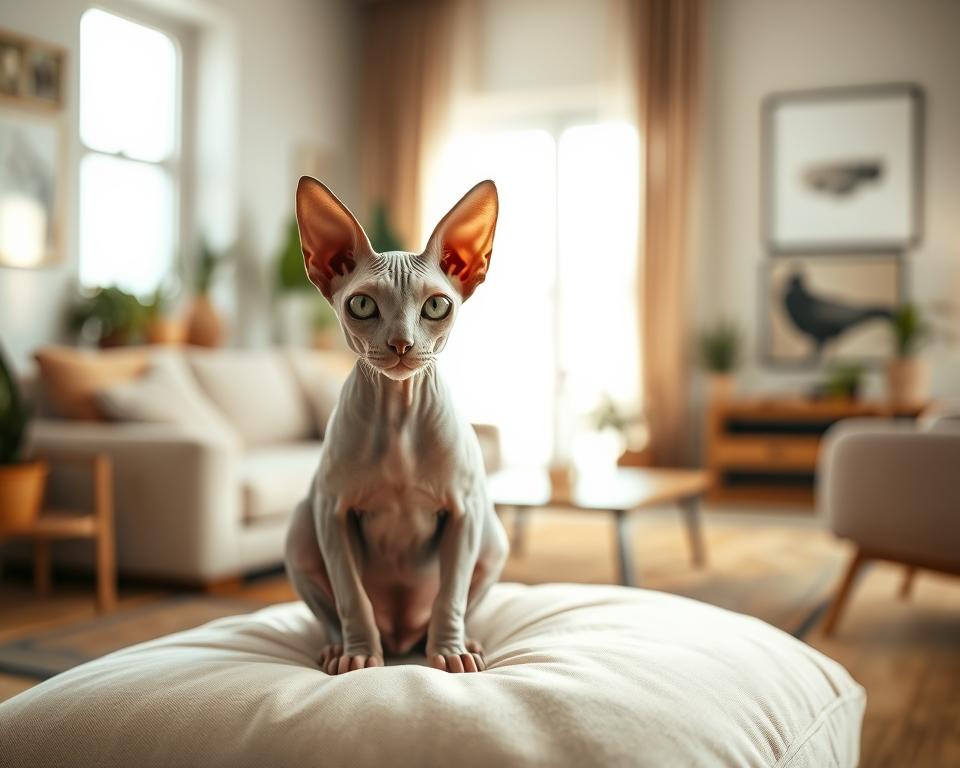
sphynx house cat

The Sphynx House Cat: A Guide to this Hairless Breed

0

Have you ever wondered if a truly hairless feline could become your next beloved companion? This striking cat breed defies expectations with its unique charm and affectionate nature.

Originating from a spontaneous genetic mutation in Canada during the 1960s, the first of these distinctive pets was a kitten named Prune. Their lack of fur often leads to assumptions about easy upkeep, but the reality is quite different.

Contrary to popular belief, these animals require dedicated care and regular attention. They are not hypoallergenic and demand specific grooming routines to maintain their health.

With growing fame from celebrity owners and film appearances, their popularity continues to rise. This guide will help you decide if this extraordinary breed fits your home and lifestyle, ensuring a rewarding relationship built on mutual love.

Key Takeaways

  • The Sphynx breed originated in Canada due to a natural genetic mutation.
  • Despite being hairless, they are not low-maintenance pets.
  • Common misconceptions include them being hypoallergenic or easy to groom.
  • They have gained popularity through celebrity ownership and media appearances.
  • Proper care makes them loving and rewarding companions.
  • Understanding their needs is crucial before considering adoption.
  • This guide offers essential insights for potential owners.

Introduction to the Sphynx House Cat

Uncover the surprising truths behind one of the world’s most distinctive feline breeds. Their unique appearance often leads to assumptions that don’t match reality.

A sleek Sphynx cat, prominently displaying its distinctive hairless coat, sits gracefully on a richly textured antique wooden table. In the foreground, the cat's expressive green eyes gaze curiously, highlighting its playful yet elegant demeanor. Surrounding the cat, a collection of historical artifacts related to the Sphynx breed—like vintage photographs, cat figurines, and a small book on breed history—offers a glimpse into its intriguing past. The middle background features a softly lit room with warm, inviting colors, perhaps a cozy living space that emphasizes the breed’s companionship. Natural light streams in through a nearby window, casting gentle shadows that enhance the serene atmosphere. An inviting, educational mood permeates the scene, creating an appealing visual narrative for readers.

Origins and History of the Breed

The modern breed began with a spontaneous genetic mutation in Ontario, Canada. A hairless kitten named Prune emerged in 1966, capturing breeders’ attention.

Selective breeding programmes developed the lineage we know today. Breeders in Toronto and Minnesota contributed significantly to establishing healthy bloodlines.

Hairlessness results from a recessive genetic trait. This means not all kittens in a litter will inherit the characteristic lack of fur.

The name draws inspiration from the Egyptian Sphinx statue. However, these animals have no historical connection to ancient Egypt despite their majestic appearance.

Common Misconceptions About Hairless Cats

Many people assume these pets are hypoallergenic. In reality, allergies typically react to skin oils rather than fur itself.

Some individuals might experience stronger reactions due to direct contact with skin secretions. Regular grooming helps manage this issue for sensitive owners.

Another myth suggests they require less care than furry breeds. Their unique needs actually demand more attention and specialised maintenance routines.

These animals often face misunderstanding because of their unusual appearance. Beneath the unique exterior lies a loving and sociable companion.

Common Misconception Reality
Hypoallergenic pets Allergens come from skin oils, not fur
Low maintenance requirements Need frequent bathing and skin care
All kittens are hairless Recessive trait means mixed litters
Ancient Egyptian lineage Modern breed from 1960s Canada

Popular media appearances have increased their recognition. The character Mr. Bigglesworth from Austin Powers brought them into mainstream awareness.

Looking beyond initial impressions reveals their wonderful qualities. With proper understanding, they make exceptionally rewarding companions for the right households.

Understanding the Sphynx Temperament

The behavioural characteristics of this breed set them apart from conventional feline companions. Their unique personality traits make them exceptional pets for the right households.

Social and Affectionate Nature

These remarkable animals display extraordinary people-oriented behaviour. They constantly seek interaction and physical contact with their human companions.

Many owners report their pets following them around the home throughout the day. They often enjoy cuddling under covers at night for warmth and security.

A Sphynx cat with an inquisitive expression, sitting gracefully on a plush, colorful cushion, showcasing its distinctive hairless skin and large ears. In the foreground, the cat's vibrant eyes exhibit a playful and affectionate demeanor, embodying the Sphynx's friendly temperament. In the middle ground, a cozy living room setting with soft, warm lighting creates an inviting atmosphere, accentuated by potted plants and a subtle hint of sunlight filtering through a window. The background features a few toys scattered around, reflecting the cat's curiosity and playfulness. The image should be captured from a slightly elevated angle to emphasize the cat's unique features while maintaining a warm, homey vibe. Overall, the mood is joyful, highlighting the affectionate nature of the Sphynx breed.

Their need for warmth due to lack of fur enhances their cuddly nature. This makes them ideal for affectionate households seeking interactive companionship.

“My Sphynx insists on sleeping under the duvet every night. She’s more like a warm, purring hot water bottle than a traditional pet.”

Dr. Verrilli, Sphynx owner

Vocal Communication Habits

These expressive creatures communicate their needs through varied vocalisations. They develop distinct meows to express different desires and demands.

Many will vocalise loudly when seeking attention or expressing excitement. Some even learn to greet their owners at the door in a dog-like way.

Their intelligence allows them to learn specific sounds for different situations. This makes them one of the most communicative feline breeds available today.

Comparison With Other Cat Breeds

When compared to other feline varieties, these animals show distinct differences. They display less independence and more social dependency than most traditional cat types.

Their behaviour often resembles canine companions more than conventional felines. They form strong bonds and demonstrate remarkable loyalty to their human families.

Behaviour Trait Sphynx Cats Average Cat Breeds
Social interaction needs Very high – constant companionship Moderate – independent periods
Vocal communication Extensive – varied vocalisations Limited – basic meows
Attachment style Dog-like loyalty and following More independent and aloof
Warmth seeking High – due to lack of fur Moderate – seasonal changes
Trainability High – intelligent and responsive Variable – depends on breed

Potential owners should consider their ability to meet these social demands. These animals may struggle with loneliness if left alone for extended periods.

Many experts recommend getting a second pet if people are frequently away from home. These adaptable creatures often form strong bonds with other animals, including dogs.

Their exceptional intelligence makes them highly trainable and interactive. They thrive in environments where they receive plenty of mental stimulation and love.

Before adoption, consider if your lifestyle can accommodate their need for constant companionship. These remarkable animals reward dedicated owners with unparalleled affection and loyalty.

Essential Care for Your Sphynx House Cat

Weekly maintenance rituals are essential for keeping your unusual feline in optimal condition. Their unique physical characteristics demand regular attention to ensure good health and comfort.

Proper care involves several key routines that dedicated owners should establish. These practices help manage the effects of their natural lack of fur.

Weekly Bathing Routine and Techniques

These remarkable animals require weekly baths to remove accumulated oils and dirt. Use lukewarm water and gentle, soap-free shampoo specifically formulated for sensitive skin.

Many owners find Earthbath Oatmeal and Aloe varieties work wonderfully. Avoid human products like baby shampoo unless approved by your vet.

A Sphynx cat engaged in a playful bathing routine, surrounded by a cozy bathroom environment. In the foreground, the cat, with its distinctive hairless skin, is curiously pawing at bubbles in a shallow tub filled with warm water, showcasing its playful nature. In the middle, a gentle, fluffy towel lies nearby, while a soap dish with pet-safe shampoo is placed on the edge of the tub. The background features soft pastel walls and a window with delicate curtains, allowing warm, natural light to illuminate the scene. The atmosphere is warm and inviting, highlighting the importance of care for this unique breed, with a focus on the joyful bond between the cat and its owner.

  • Prepare everything beforehand – shampoo, towels, and washcloths
  • Use washcloths for spot cleaning instead of full immersion when possible
  • Gently massage shampoo into their skin using circular motions
  • Rinse thoroughly to prevent residue buildup
  • Dry completely with warm towels to avoid chapping

Starting these routines during kittenhood helps them accept grooming as normal. Positive reinforcement makes bath time enjoyable for everyone.

Ear Cleaning and Paw Maintenance

Without protective fur, ear canals accumulate wax more quickly. Weekly cleaning prevents infections and maintains good health.

Use vet-approved solutions and cotton balls for gentle cleaning. Never insert anything deep into the ear canal during maintenance.

Paw care is equally important for these unique animals. Regularly wipe between toes to remove litter and debris that might cause irritation.

Check paw pads for dryness or cracking during grooming sessions. Proper maintenance prevents discomfort and potential infections.

Dietary Requirements for Healthy Skin

Nutrition plays a crucial role in managing skin oil production. High-quality food helps maintain optimal skin condition and overall health.

Poor diet often leads to excessive oils and related skin issues. Consult your veterinarian for specific dietary recommendations tailored to your pet’s needs.

Many owners notice significant improvements when feeding premium formulations. Proper nutrition reduces staining on furniture and bedding while promoting wellness.

Always provide fresh water to support skin hydration and overall bodily functions. Monitoring their diet ensures they receive all necessary nutrients.

Establishing consistent care routines creates a strong foundation for your relationship. These special animals reward dedicated attention with unparalleled affection and companionship.

Health Considerations for Sphynx Cats

Keeping your extraordinary companion in peak condition requires understanding their unique medical needs. Their distinctive physiology demands specialised attention from knowledgeable professionals.

Proactive healthcare measures can help manage potential issues before they become serious problems. Early detection makes a significant difference in treatment outcomes.

A veterinarian conducts a health check on a Sphynx cat in a well-lit, modern vet clinic. In the foreground, the veterinarian, a middle-aged woman in a white lab coat, gently examines the Sphynx cat, highlighting its unique hairless skin and large ears. The cat has a curious expression, showcasing its personality. In the middle ground, a vet's table is adorned with essential medical tools, like a stethoscope and thermometer, emphasizing the healthcare setting. The background features a clean, bright examination room with medical charts on the walls and plants adding a touch of warmth. The overall atmosphere is professional and caring, reflecting the importance of health considerations for this unique breed. Soft, natural lighting enhances the scene, creating a welcoming ambiance.

Common Genetic Health Issues

These remarkable animals face specific hereditary challenges that responsible owners should monitor. Hypertrophic cardiomyopathy remains a primary concern within the breed.

This heart condition necessitates regular echocardiograms starting from a young age. Many veterinarians recommend annual screenings to detect early signs of trouble.

Skin problems may present differently due to their unique characteristics. Conditions like ringworm often require breed-aware diagnosis for proper treatment.

Regular Veterinary Check-ups

Biannual visits to an experienced practitioner are essential for maintaining optimal wellness. Choose a vet familiar with purebred requirements and potential issues.

These check-ups allow professionals to monitor heart function, skin condition, and overall development. Early intervention often prevents minor concerns from becoming major problems.

“Regular specialist check-ups have been crucial for managing my Sphynx’s heart condition. We caught it early thanks to our vet’s expertise.”

Emma, Sphynx owner

Dental Care Requirements

Oral health demands particular attention with these special companions. They frequently develop dental issues requiring professional cleanings or extractions.

Establish a consistent dental hygiene routine using vet-approved products and techniques. Regular brushing helps prevent plaque buildup and gum disease.

Many owners schedule annual dental examinations alongside their pet’s general health checks. This proactive approach maintains good oral health throughout their life.

Financial planning for healthcare deserves careful consideration. These animals may require more frequent and specialised veterinary visits than other breeds.

Pet insurance through providers like Agria can help offset unexpected medical expenses. Investing in coverage provides peace of mind regarding potential treatment costs.

Despite these considerations, with proper attention and dedicated care, these wonderful companions can enjoy long, healthy, and happy lives. Their unique needs are well worth the effort for the right households.

Environmental Needs and Protection

Creating the perfect living environment requires special attention to their unique physical characteristics. These extraordinary companions need thoughtful adjustments to stay comfortable and healthy.

Their distinctive appearance comes with specific requirements that dedicated keepers must address. Understanding these needs ensures your pet thrives in your care.

Temperature Regulation and Clothing

These remarkable animals lack natural insulation due to their unique lack fur coverage. They feel chilly much faster than furry breeds in cool environments.

Many owners find knitted jumpers essential for maintaining comfortable body temperatures. Quality pet clothes provide necessary warmth during colder months.

A serene indoor scene featuring a Sphynx cat perched gracefully on a natural wood table, surrounded by vibrant green plants and eco-friendly items. The Sphynx cat has a gentle expression, showcasing its large ears and unique skin texture. In the background, a window reveals a sunlit garden filled with flowers, emphasizing the importance of an enriching environment. Soft, warm natural light streams through, casting delicate shadows and creating a cozy atmosphere. The camera angle is slightly above eye level, providing a clear view of the cat and its surroundings. This image captures the essence of environmental protection, highlighting the harmonious relationship between pets and their eco-friendly home.

Heated pet beds offer wonderful solutions for cosy resting spots. Microwavable heat pads also work beautifully when placed under soft blankets.

Regular laundering of garments prevents oil buildup from their skin. This maintenance keeps their wardrobe fresh and comfortable for daily use.

Sun Protection and Indoor Safety

Their sensitive skin requires protection from harmful ultraviolet rays. Direct sunlight can cause painful burns and long-term damage.

Veterinarian-approved sunscreens provide essential protection for limited outdoor excursions. Never use human products which may contain toxic ingredients.

Indoor living offers the safest environment for these special companions. Secure windows prevent accidental escapes while allowing fresh air circulation.

Monitoring room temperatures prevents discomfort from drafts or excessive heat. These sensitive creatures appreciate consistent, warm environments.

Creating a Warm and Comfortable Home

Designing cosy spaces throughout your home makes a significant difference. Soft blankets in favourite resting spots encourage natural burrowing behaviour.

Multiple warm sleeping areas allow your pet to choose their preferred spot. Well-ventilated yet warm hideaways provide perfect retreats.

Fresh drinking water should always be available in easily accessible locations. Proper hydration supports healthy skin and overall wellbeing.

These special things require a lot of thoughtful preparation. The effort rewards keepers with incredibly affectionate and content companions.

Environmental Need Recommended Solution Frequency
Warmth maintenance Heated beds and cat clothing Daily during cold periods
Sun protection Indoor living with vet-safe sunscreen Whenever outdoors
Bedding cleanliness Weekly washing of fabrics Every 7 days
Temperature monitoring Room thermometers and draft checks Continuous awareness
Safety measures Secure windows and hazard removal Ongoing maintenance

Proper environmental care ensures these wonderful animals live comfortably. Their unique needs become rewarding routines for dedicated households.

Acquiring Your Sphynx: Costs and Considerations

Bringing one of these extraordinary companions into your life involves careful financial planning and thoughtful research. Understanding the full scope of expenses ensures you can provide the excellent care these special animals deserve.

Understanding the Price Range

Quality kitten prices typically range from £1,500 to £4,500 from reputable sources. Champion bloodlines may reach £10,000 due to exceptional breeding standards.

These higher costs reflect the challenges of breeding programmes. Recessive genes mean not all offspring inherit the hairless trait.

Limited numbers of ethical breeders further influence market values. This ensures healthy bloodlines through responsible practices.

A charming Sphynx kitten sitting atop a stack of financial documents, surrounded by playful toys and a soft blanket, emphasizing its unique hairless features and large expressive eyes. The foreground highlights the kitten in warm soft lighting that accentuates its skin texture and playful demeanor. In the middle ground, a few scattered coins and a calculator reflect the cost considerations involved in acquiring such a pet. The background shows a cozy room with a window letting in natural light, creating a welcoming and inviting atmosphere. The scene evokes a sense of warmth and contemplation, perfect for illustrating the thoughtful decisions involved in bringing a Sphynx kitten into a home.

Finding a Reputable Breeder

Choosing the right source for your new companion requires thorough investigation. Reputable breeders prioritise health screenings and genetic testing.

Always request credentials from recognised breeding associations. These organisations maintain strict ethical standards for their members.

Health guarantees and vaccination records demonstrate professional commitment. Responsible breeders provide complete medical histories for their animals.

Personal references from previous clients offer valuable insights. They reveal how breeders support people throughout the adoption process.

“Our breeder provided three generations of health records and continues offering advice two years later. That peace of mind was worth every penny.”

James, Sphynx owner

Initial Setup and Ongoing Expenses

Preparation for your new arrival involves significant initial investment. Essential items include heated beds, protective clothing, and grooming supplies.

High-quality nutrition forms the foundation of good health. Specialised diets help maintain optimal skin condition in these unique pets.

Regular veterinary visits represent important ongoing commitments. These professionals provide essential preventative care and monitoring.

Expense Category Initial Cost Ongoing Cost
Veterinary Care £200-£300 (first check-up) £600-£800 annually
Nutrition £50-£100 (starter supplies) £80-£120 monthly
Grooming Products £100-£150 (initial kit) £30-£50 monthly
Environmental Items £300-£500 (beds, clothes) £100-£200 annually
Insurance Coverage £150-£250 (initial premium) £40-£60 monthly

Budgeting for potential health issues demonstrates responsible ownership. Dental treatments and cardiac screenings may become necessary over time.

Rescue adoption offers an alternative way to welcome these animals into your home. Even rescued companions require proper veterinary assessment and initial setup costs.

These financial considerations require a lot of advance planning. The investment rewards dedicated owners with incredible companionship and joy.

Fresh water and proper nutrition remain ongoing priorities. Regular attention to their needs ensures a happy, healthy life together.

Conclusion: Is a Sphynx Right for You?

Choosing this unique cat breed demands careful consideration of your lifestyle and resources. These extraordinary animals require significant time, financial investment, and specialised care.

They are not suitable for those seeking low-maintenance pets. Their grooming needs, health considerations, and environmental requirements demand dedicated attention.

If you can provide daily interaction and handle their vocal nature, the rewards are immense. Their affectionate greetings and loving cuddles create an unparalleled bond.

Proper preparation ensures a wonderful relationship with these special companions. Consult breed associations and veterinarians before making your decision.

With commitment, these remarkable animals become cherished family members. Their unique personality brings endless joy to the right household.

FAQ

Do Sphynx cats require special grooming because they lack fur?

Absolutely! While they don’t need brushing, their skin produces oils that would normally be absorbed by fur. A weekly bath with a gentle, vet-recommended shampoo is essential to keep their skin clean and healthy.

Are these pets truly hypoallergenic?

This is a common misconception. People are often allergic to a protein in a cat’s saliva, not its fur. Since Sphynx groom themselves just like other breeds, they can still cause allergic reactions.

Is it necessary to dress my pet in clothes?

It’s highly encouraged! Without a fur coat, they lose body heat very quickly. Jumpers and cosy beds are fantastic for helping them regulate their temperature, especially in cooler British weather.

How much does a kitten from a reputable breeder typically cost?

You can expect a significant investment. Prices from a responsible, ethical breeder who prioritises health testing often range from £1,500 to £2,500, reflecting the specialised care involved.

What are the most common health issues to be aware of?

The breed can be predisposed to certain conditions, including hypertrophic cardiomyopathy (a heart condition) and hereditary myopathy. Choosing a breeder who screens for these issues is the best first step towards a healthy life together.

Do they get along with other animals and children?

Their famously outgoing and social nature makes them brilliant companions for families. They typically thrive on attention and enjoy being the centre of a lively household.

Leave a Reply

Your email address will not be published. Required fields are marked *