Uncategorized

Flea Collars on Cats: Safe and Effective Options

flea collars on cats

Could your cat’s flea collar be doing more harm than good? Many pet owners across Britain have relied on these familiar accessories for years, but recent developments might make you reconsider your approach.

These pest control tools remain popular for their convenience and affordability. They offer continuous protection against bothersome insects without monthly applications.

Some feline companions simply won’t tolerate spot-on treatments or oral medications. For temperamental pets, a collar might be the only practical solution owners can administer successfully.

This guide will help you navigate the various options available. We’ll explore both traditional collars and modern alternatives to ensure your beloved companion receives the best possible care.

Key Takeaways

  • Traditional flea collars remain a popular choice for their ease of use and cost-effectiveness
  • Some cats respond better to collar treatments than other application methods
  • Always choose products specifically designed for feline use rather than canine formulations
  • Consulting with your veterinarian is essential before selecting any treatment option
  • Modern alternatives to collars may provide additional benefits worth considering
  • Proper fit and regular inspection are crucial for your pet’s safety and comfort
  • Combination treatments often provide the most comprehensive protection approach

Understanding Flea Collars for Your Cat

Many British pet owners find themselves curious about how these simple bands provide such effective pest control. These clever devices have transformed from basic accessories into sophisticated protection systems.

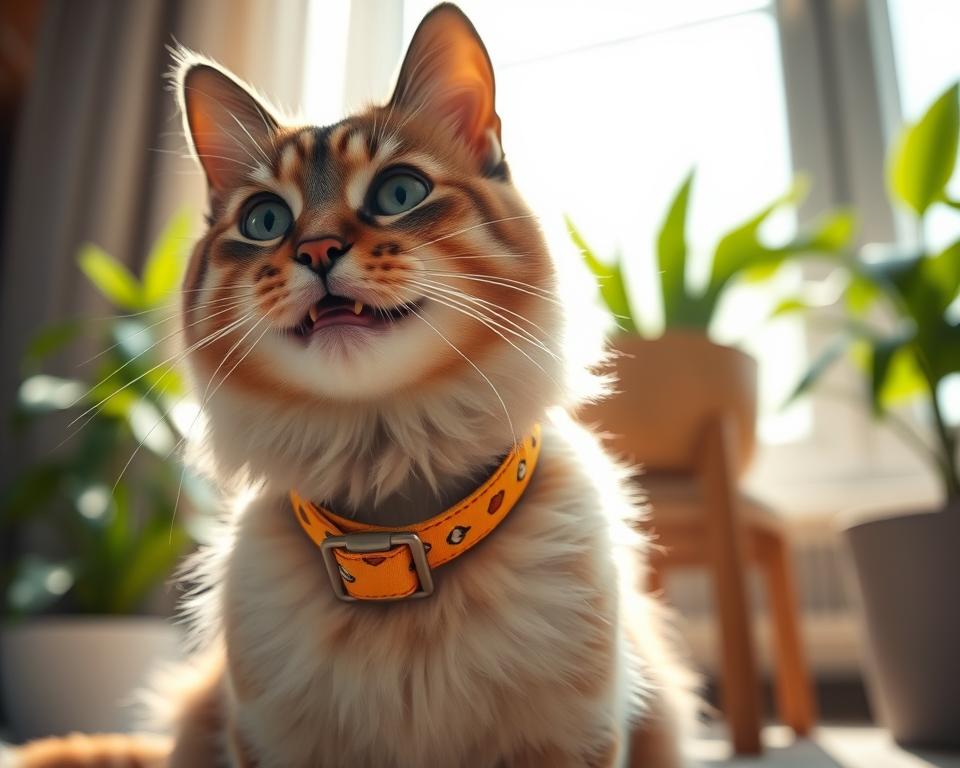
A close-up view of a cat wearing a modern flea collar, showcasing the intricate technology behind it. The foreground features the cat’s sleek fur and the collar with visible components like the release mechanism and repellent device, glistening softly in natural light. In the middle ground, a hand gently pets the cat, symbolizing care and trust, dressed in modest casual clothing. The background features a cozy home environment with potted plants and soft furniture to create a warm atmosphere. The lighting is bright yet soft, casting gentle shadows, emphasizing the cat’s inquisitive expression, reflecting safety and comfort. The overall mood is informative and reassuring, ideal for understanding modern flea collar technology.

What Exactly Are Flea Collars?

These specialised bands are plastic strips infused with anti-parasitic medications. They offer continuous protection by slowly releasing chemicals onto your pet’s skin.

The mechanism involves distribution through natural oil glands. This creates a protective barrier across your feline companion’s entire body.

Modern versions work systemically rather than just locally. They provide comprehensive coverage against various parasites.

“The advancement in pest control technology means today’s products offer months of reliable protection with minimal effort from owners.”

The Evolution of Flea Protection Methods

Protection methods have evolved remarkably over recent decades. Early designs only targeted pests around the neck area.

Technological improvements have significantly enhanced efficacy and duration. Modern options can last up to eight months with consistent performance.

Today’s integrated approaches combat multiple parasites simultaneously. They address ticks, lice, and mites alongside flea prevention.

It’s crucial to distinguish between repellent designs and those that eliminate on contact. Only medically proven formulations deliver reliable results despite various products being marketed.

For those seeking comprehensive guidance on feline pest management, professional veterinary advice remains essential when selecting appropriate protection for your beloved companion.

Are Flea Collars Safe for Cats?

Pet owners across Britain often wonder about the security of these popular pest control accessories. While generally safe for mature felines, proper selection and usage remain paramount for your companion’s wellbeing.

A close-up view of a relaxed, fluffy domestic cat wearing a brightly colored flea collar on a soft, cozy blanket. The cat gazes calmly at the viewer, showcasing a healthy, shiny coat. The flea collar is prominently displayed, emphasizing safety features such as reflective strips and an adjustable design. In the background, a softly lit room with potted plants and a scratching post creates a tranquil atmosphere, suggesting a safe home environment. Natural light filters through a nearby window, casting gentle shadows and highlighting the cat's features. The mood is peaceful and reassuring, conveying a message of safety and comfort for feline companions.

Safety Considerations for Adult Cats

Most adult felines tolerate these protective bands well when products are specifically formulated for their species. The key lies in choosing reputable brands with thorough safety testing.

Always consult your veterinary professional before making any treatment decisions. They can recommend options suited to your pet’s individual health requirements.

Proper fitting prevents most common issues. Ensure you can comfortably slide two fingers beneath the band while maintaining contact with the skin.

“Responsible usage involves regular checks for skin irritation and ensuring the quick-release mechanism functions correctly.”

Special Precautions for Kittens

Younger companions under eight weeks should never wear these treatments. Their developing systems require gentler approaches to pest management.

Always seek professional guidance for juvenile animals. Their sensitive skin may react differently to active ingredients than mature pets.

Veterinary approval is essential before considering any treatment for growing kittens. Their health deserves extra careful consideration.

Recognising Potential Risks

Some studies indicate certain chemicals may pose health concerns. Tetrachlorvinphos has been associated with increased cancer risks in felines.

Most problems arise from incorrect product selection or improper fitting. Using canine formulations on felines can lead to serious health complications.

Regular monitoring helps identify issues early. Watch for signs of skin irritation or behavioural changes indicating discomfort.

Quality products feature safety mechanisms to prevent accidents. Elastic sections and quick-release buckles provide important protection for your beloved companion.

How Modern Flea Collars Work

Today’s advanced pest control bands represent a significant technological leap from their predecessors. These innovative devices offer sophisticated protection through clever engineering and scientific principles.

A close-up of a modern flea collar designed for cats, showcasing its sleek, high-tech features. In the foreground, focus on the collar itself, highlighting its adjustable design and integrated microchip. The collar should be placed on a fluffy, curious cat with bright, engaging eyes, capturing the collar's snug fit. In the middle ground, depict a clean, well-lit indoor setting, perhaps a cozy living room with soft natural light streaming through a window. In the background, minimalistic cat care items like a food bowl and a cozy bed can be subtly included to suggest a safe environment. The mood should be calm and reassuring, emphasizing the collar's innovative technology and effectiveness in a safe and comfortable space.

The Science Behind Effective Collars

Contemporary protective bands function through a remarkable delivery system. The plastic matrix contains concentrated anti-parasitic medications that gradually release onto your pet’s skin.

Active ingredients like imidacloprid and flumethrin absorb into natural oil glands. This systemic distribution creates comprehensive coverage across your companion’s entire body.

These compounds target the nervous systems of unwanted pests. They disrupt normal neurological function, preventing attachment and causing rapid elimination.

“The dual-action approach of modern formulations provides both repellent properties and contact elimination, offering complete protection rather than partial coverage.”

Duration of Protection and Effectiveness

High-quality products like Seresto deliver impressive longevity. They typically provide seven to eight months of continuous protection from application.

The initial activation period requires approximately twenty-four hours. After this settling period, new invaders are neutralised within two hours of contact.

Several factors influence overall performance. Regular bathing, swimming frequency, and proper fitting all affect how well the product maintains its efficacy over time.

Unlike traditional options that only protect the neck area, modern versions work throughout the entire coat. This whole-body approach ensures no vulnerable spots remain exposed.

It’s important to understand these devices primarily target adult parasites. Comprehensive pest management requires addressing all life stages for complete control.

Choosing the Right Flea Collar for Your Cat

Selecting the perfect protective band for your feline companion requires careful consideration of several important factors. Making the right choice ensures both effectiveness and comfort for your beloved pet.

A well-lit living room featuring a cozy scene of a cat sitting on a stylish rug, intently observing several different flea collars displayed on a table nearby. The collars should vary in colors and styles, including both traditional and modern designs, showcasing their labels. In the background, a small bookshelf filled with pet care books and a potted plant can add a homey atmosphere. The lighting should be warm and inviting, suggesting a sunny afternoon setting. A slightly overhead angle captures the cat’s curious expression, while focusing on the variety of collars, emphasizing the theme of thoughtful selection. The overall mood should be calm and informative, reflecting the importance of choosing the right flea collar for pet care.

Quality construction and proper design make all the difference in pest management. Let’s explore what makes certain options stand out from the rest.

Key Features to Look For

When evaluating protective bands, prioritise models specifically designed for feline use. Canine formulations contain different chemical concentrations that may harm your pet.

Look for quick-release mechanisms that allow the band to snap open under pressure. This safety feature prevents potential accidents during outdoor adventures.

Some elasticity in the material provides comfort while maintaining skin contact. High-quality construction ensures the product won’t fray or break easily.

“The best protective bands combine safety features with effective pest control, offering peace of mind for responsible pet owners.”

Understanding Size and Weight Requirements

Manufacturers provide specific guidelines based on your pet’s measurements. Always check these specifications before purchase to ensure proper fit.

Consider your companion’s weight and neck circumference when selecting a product. Ill-fitting bands may cause discomfort or reduce effectiveness.

Growing kittens require regular resizing as they develop. Monitor their growth and adjust accordingly to maintain proper protection.

Weight Range Recommended Collar Size Adjustment Frequency
Under 1.5kg Small (20-30cm) Monthly check
1.5-4kg Medium (30-40cm) Bi-monthly check
Over 4kg Large (40-50cm) Quarterly check

The Importance of Proper Fitting

Correct fitting ensures both comfort and effectiveness of the treatment. The two-finger rule helps determine appropriate tightness.

You should comfortably slide two fingers between the band and your pet’s skin. This space allows movement without compromising contact.

Avoid decorative elements like buckles or studs that might cause irritation. Smooth, simple designs work best for sensitive feline skin.

Water-resistant options benefit pets who enjoy swimming or frequent bathing. These activities may require more frequent replacement of standard bands.

Regular inspection helps identify wear or damage early. Replace the product if you notice any signs of deterioration or if parts become loose.

Top Recommended Flea Collars on Cats

Finding the perfect pest control solution for your feline friend can feel overwhelming with so many choices available. Let’s explore the most trusted options that veterinary professionals consistently recommend for British pet owners.

A close-up shot of a tabby cat wearing a brightly colored flea collar, showcasing various design options such as floral patterns and vibrant colors. The foreground features the cat's face, with its eyes expressing curiosity and comfort. In the middle ground, a few additional flea collar designs are elegantly displayed, highlighting their textures and materials, each collar uniquely designed for visual appeal. The background is softly blurred, suggesting a cozy home environment with warm lighting that creates a serene atmosphere. The overall mood is friendly and inviting, emphasizing safety and effectiveness while showcasing the stylish preventive care for cats.

Seresto Flea and Tick Control Collar

The Seresto protective band stands out as the most researched and recommended option by veterinary practices across the UK. This innovative product combines imidacloprid and flumethrin to create a powerful dual-action defence system.

It offers an impressive seven to eight months of continuous protection against unwanted pests. The unique formulation works through both repellent action and contact elimination, ensuring comprehensive coverage across your pet’s entire body.

Clinical studies demonstrate excellent safety profiles for most adult felines. The breakaway safety mechanism provides additional peace of mind for adventurous companions who might snag their collar during outdoor explorations.

“Seresto represents the gold standard in long-term pest management, with extensive research supporting both its efficacy and safety profile for feline use.”

Other Veterinary-Recommended Options

Several other brands receive regular endorsement from animal health professionals. These alternatives often feature different active ingredients while maintaining high safety standards.

Products containing flumethrin or deltamethrin offer reliable performance with varying duration periods. Always consult your veterinarian to determine which formulation best suits your pet’s specific needs and lifestyle.

Some options provide specialised formulations for households with multiple pets or specific environmental challenges. Your veterinary practice can recommend the most appropriate choice based on local pest prevalence and your companion’s health history.

Comparing Value and Longevity

When evaluating pest control methods, consider both initial cost and long-term value. Traditional spot-on treatments typically require reapplication every four to twelve weeks, while oral medications often need monthly administration.

Quality protective bands like Seresto offer extended coverage that makes them remarkably cost-effective over time. The eight-month protection period means fewer applications and consistent defence against invaders.

  • Extended coverage: Most collars provide 5-8 months of protection compared to 1-3 months for alternatives
  • Cost efficiency: Longer duration means lower annual cost despite higher initial investment
  • Consistent performance: Continuous protection without monthly application reminders
  • Whole-body defence: Systemic action protects the entire coat rather than localized areas

Many veterinary practices stock these recommended products and can provide guidance on proper usage. Reputable online retailers also offer genuine products with manufacturer warranties, though always verify seller credibility before purchasing.

Remember that individual results may vary based on your pet’s environment and pest exposure levels. Regular monitoring ensures your chosen method continues to provide effective protection throughout its stated duration.

Effective Alternatives to Flea Collars

Many British cat guardians discover excellent alternatives to conventional pest management tools. These options provide flexible solutions for various situations and preferences.

A serene indoor setting showcasing effective flea prevention alternatives for cats. In the foreground, a variety of natural flea repellents, like essential oils (lavender and cedar), and herbal treatments are elegantly arranged on a wooden table. In the middle ground, a fluffy, relaxed cat lounges comfortably, appearing content and healthy. The background features soft, diffused daylight filtering through a window adorned with light curtains, creating a warm and inviting atmosphere. A potted plant adds a touch of greenery, symbolizing natural living. The scene is captured with a shallow depth of field using a 50mm lens, emphasizing the cat and the flea prevention products while softly blurring the background. The overall mood is peaceful and reassuring, highlighting the safety and efficacy of alternative flea prevention.

Spot-On Treatments Explained

Topical applications offer popular prevention against unwanted parasites. Products like Frontline Spot-On work within fourteen hours of application.

These treatments typically provide protection for approximately five weeks. They repel both ticks and fleas through skin absorption.

Application involves parting the fur between shoulder blades. The liquid formula spreads naturally across the skin’s oil layers.

Oral Medication Options

Fast-acting tablets represent another effective approach. Capstar tablets begin working within fifteen to thirty minutes after administration.

Some oral products offer longer-term protection against reinfestation. These require veterinary prescription and consideration of your pet’s weight.

Tablets often suit felines who dislike topical applications. They provide systemic protection through bloodstream distribution.

“Oral medications offer excellent solutions for households with multiple pets where topical treatments might transfer between animals during close contact.”

Insect Growth Regulators (IGRs)

These innovative products disrupt pest reproduction cycles. They prevent eggs from developing into biting adults.

Program Suspension interferes with larval development stages. This approach breaks the life cycle before infestations establish.

IGRs work well alongside other treatment methods. They provide comprehensive environmental management support.

Integrated Flea Control Approaches

Combination products attack multiple life stages simultaneously. Frontline Plus combines adulticide with growth regulator action.

These integrated options offer thorough protection against current and future infestations. They address both adult parasites and their offspring.

Veterinary prescription products include Revolution, Advantage Multi, and Bravecto. These often target multiple parasite types beyond just fleas.

Treatment selection depends on several important factors. Consider your pet’s age, overall health, and lifestyle requirements.

Always consult your vet before choosing any pest control method. They can recommend the safest option for your specific situation.

Kittens and sensitive animals often benefit from alternative approaches. These methods avoid potential skin irritation from wearable devices.

Treatment Type Activation Time Duration Best For
Spot-On Treatments 14 hours 5 weeks Easy application
Oral Tablets 15-30 minutes 24 hours-1 month Fast action needed
IGRs Varies 1-6 months Prevention focus
Combination Products 12-24 hours 1-3 months Comprehensive protection

Environmental management complements any treatment approach. Regular home cleaning helps prevent reinfestation between applications.

Remember that consistency matters most with pest control. Stick to recommended application schedules for optimal results.

Your veterinary professional remains your best resource for personalised advice. They understand local pest pressures and can recommend the most effective solutions.

Home Flea Control and Prevention

Keeping your living space pest-free requires consistent effort and smart strategies. A comprehensive approach combines regular cleaning with targeted treatments for lasting results.

A cozy interior of a well-lit living room, showcasing a playful cat comfortably lounging on a plush, colorful rug. In the foreground, a stylish, open flea prevention kit featuring natural repellents made from essential oils, alongside a cute flea collar designed for cats, rests on a wooden coffee table. The middle ground includes potted plants and a sunny window with sheer curtains, creating a fresh and inviting atmosphere. In the background, a bookshelf filled with pet care books and cat toys adds depth to the scene. The lighting is warm and soft, emphasizing a safe and serene environment for pet care. The overall mood is cheerful and comforting, reflecting the theme of home flea control and prevention.

Effective management involves addressing both your pet and their environment. This dual approach prevents reinfestation and maintains a healthy home.

Maintaining a Flea-Free Environment

Regular vacuuming plays a crucial role in pest management. Focus on areas where your feline companion spends most of their time.

Pay special attention to carpets, upholstery, and bedding. These spots often harbour eggs and larvae waiting to develop.

Empty the vacuum cleaner immediately after each session. This prevents captured pests from escaping back into your home.

“Consistent cleaning routines disrupt the pest life cycle, preventing new generations from emerging and causing further problems.”

Complementary Cleaning Practices

Wash all pet bedding weekly using pet-safe detergents. High-temperature cycles help eliminate any hidden eggs or larvae.

Consider using specialised household sprays for severe cases. Products like Virbac Indorex Defence Spray target multiple life stages effectively.

Steam cleaning offers another powerful option for deep cleaning. The heat penetrates deep into fibres, destroying pests at all development stages.

Safety Measures with Chemical Products

Always follow manufacturer instructions when using any treatment products. Keep animals and children away during application and drying periods.

Ensure proper ventilation when applying sprays or powders. Open windows and use fans to circulate fresh air throughout the treated areas.

Store all chemical products securely out of reach. Use child-proof locks on cabinets containing pest control substances.

Cleaning Task Recommended Frequency Key Benefits
Vacuuming carpets 2-3 times weekly Removes eggs and larvae
Washing bedding Weekly Eliminates hidden pests
Upholstery cleaning Fortnightly Targets favourite resting spots
Floor mopping Weekly Removes pesticide residue

Seasonal changes affect pest activity levels across the UK. Increase cleaning frequency during warmer months when populations peak.

Regular grooming helps monitor your companion’s condition. Brush them frequently to check for any signs of unwanted visitors.

Consult your vet before using any new products in your home. They can recommend safe options suitable for your specific situation.

Remember that consistency brings the best results. Stick to your cleaning schedule to maintain a comfortable environment for everyone.

Conclusion: Making the Best Choice for Your Cat

Finding the right pest control solution requires careful thought about your pet’s unique needs. Consider their age, health, and daily routine when choosing between available options.

Always consult your vet before selecting any treatment product. They understand what works best for different situations and can recommend the safest approach.

Households with children or other pets need extra consideration. Make sure everyone stays safe while keeping your feline friend protected from unwanted visitors.

Regular prevention remains crucial for long-term success. Combine treatments with thorough home cleaning for complete pest management.

Your ultimate goal is a happy, healthy companion living in a comfortable environment. With the right approach, you can achieve effective protection that suits your entire family.

FAQ

Are these products safe for my feline?

Yes, many modern options are safe when used as directed. Always choose a reputable brand and check it’s suitable for your pet’s age and weight. Consulting your vet first is a brilliant idea for peace of mind.

How long does a typical collar last?

Most high-quality products offer protection for several months—some even up to eight! This makes them a wonderfully convenient choice for long-term prevention against pests.

Can I use a dog collar on my cat?

Absolutely not. Formulations for canines often contain ingredients that are highly toxic to felines. It’s essential to use only those specifically designed and labelled for cats to keep your pet safe.

What should I do if my cat has a reaction?

If you notice any skin irritation or unusual behaviour, remove the collar immediately and contact your veterinarian. They can provide the best advice for your pet’s specific situation.

At what age can kittens wear one?

A> Most are suitable for kittens over 10-12 weeks of age, but always verify the specific age and weight requirements on the product’s packaging. Starting young helps build a foundation for a healthy, pest-free life.

Do they help control an existing infestation?

While they are fantastic for prevention, a severe infestation often requires a multi-pronged approach. Combining a collar with household treatments and possibly a vet-recommended product will get you the best results.

Leave a Reply

Your email address will not be published. Required fields are marked *