

Guides · Cats
Best Brush for Double-Coated Breeds: What Actually Works

You brushed the dog for twenty minutes, emptied the brush three times, and an hour later there's still fluff drifting across the kitchen floor. If your dog or cat has a double coat, a soft, dense undercoat under a coarser topcoat, that isn't you doing it wrong. Huskies, German Shepherds, Golden Retrievers, Maine Coons and most long-haired cats all carry a heavy undercoat, and it's the undercoat, not the topcoat, that's responsible for most of the shedding. The right brush reaches it. The wrong one just skims the top.
Why do regular brushes struggle with a double coat?
A standard bristle brush mostly catches loose hair sitting on top of the coat. It doesn't reach the dense undercoat underneath, so double-coated pets keep shedding at close to the same rate no matter how often you brush. What helps is regular sessions with a brush that gets through the coat, and a gentle tool for the days your pet won't sit still.
What is the best brush for each coat type?
- Long, easily-tangled coats (Maine Coons, Collies, spaniels): the Mist Comb softens knots with a light spray as you brush — pulling a dry brush straight through a tangled double coat just tugs on skin.
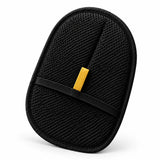
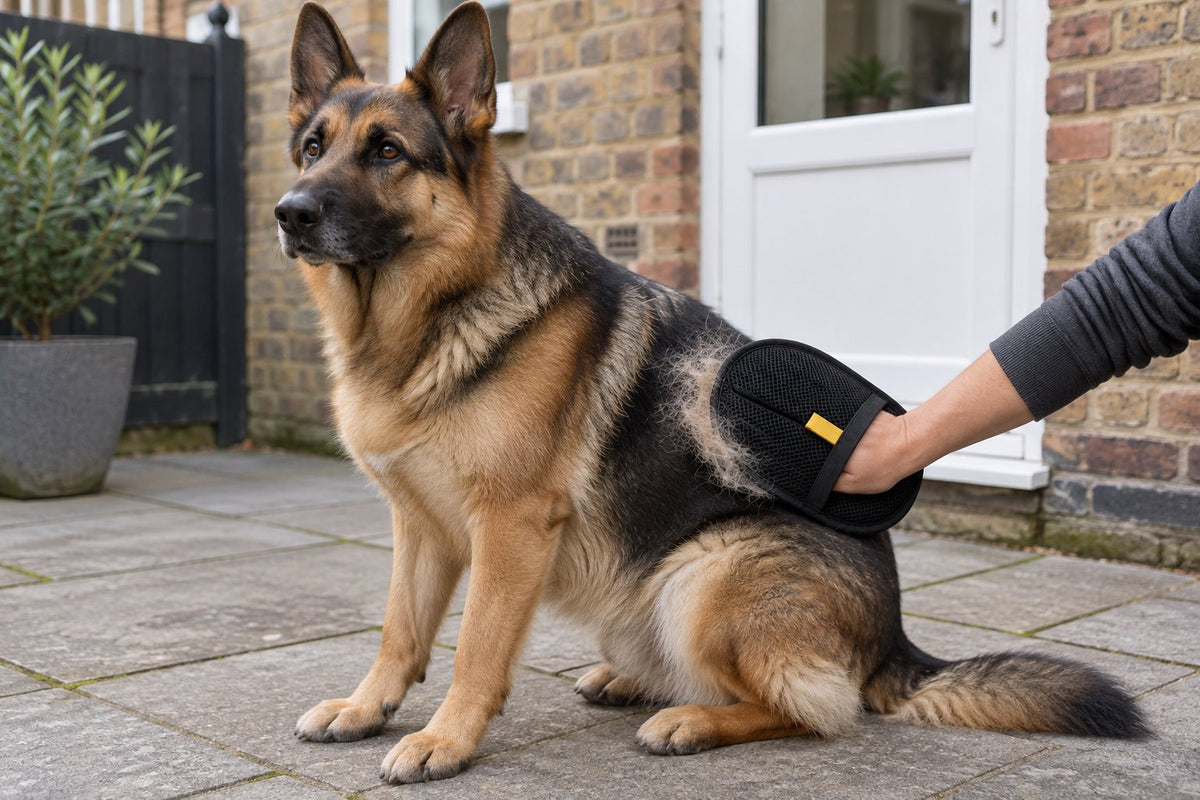
- Nervous or senior double-coated pets: start with the Cuddle Glove — it feels like a hand, not a tool, which matters more than raw brushing power for a pet that won't sit still for grooming.
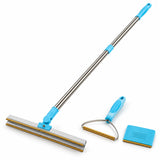
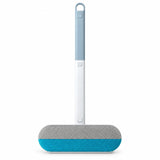
- Heavy shedders, or more than one pet in the house: groom the pet, then deal with the fur that's already landed. The All-Surface Tool pulls it out of the sofa, car seat and carpet (it's for fabric, not for use on the pet).
How often should you brush a double-coated dog?
Two to three short sessions a week keeps most double-coated pets on top of shedding — daily during the spring and autumn coat blow, when the whole undercoat lets go at once. Brush in the direction of the coat, in short strokes, and let the loose fur collect on the tool rather than shaking it out over the floor.
Not sure where your pet's coat fits? Our guide on why cats and dogs shed so much covers the biology behind it. The Fur-Free Home Kit puts the Cuddle Glove, the All-Surface Tool and the Fur Wiper in one box, with 30 days to try it: if it doesn't work for your home, we refund you in full. No need to send it back.
Questions people ask
Which breeds have a double coat?
Common UK examples include Labradors, Golden Retrievers, German Shepherds, Huskies, Border Collies, Corgis, Pomeranians and Shiba Inus. Many long-haired cats, such as Maine Coons, also have a dense undercoat.
How do I know if my dog has a double coat?
Part the fur with your fingers. If you see a soft, dense, woolly layer under the longer outer hairs, it's a double coat.
Can you over-brush a double-coated dog?
Yes. Bladed deshedding tools can irritate the skin if you press hard or go over the same spot again and again. Keep sessions short, use light strokes, and stop if the skin looks red.
Is a grooming glove enough for a double coat?
For weekly upkeep on a calm dog, a glove helps. For the spring blowout on a thick coat, pair it with an undercoat rake or deshedding brush.


