

Guides · Product comparison
Deshedding Glove vs Brush: Which One Does Your Pet Actually Need?

You bought a brush. Your pet saw it once, and now they leave the room every time it comes out of the drawer. It's one of the most common reasons people give up on grooming altogether, and the fur ends up on the sofa instead. A deshedding glove and a brush solve the same problem, loose fur that ends up everywhere, but they aren't two versions of the same tool. They're built for different pets and different moments. Here's how to choose.
When is a grooming glove the better choice?
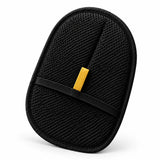
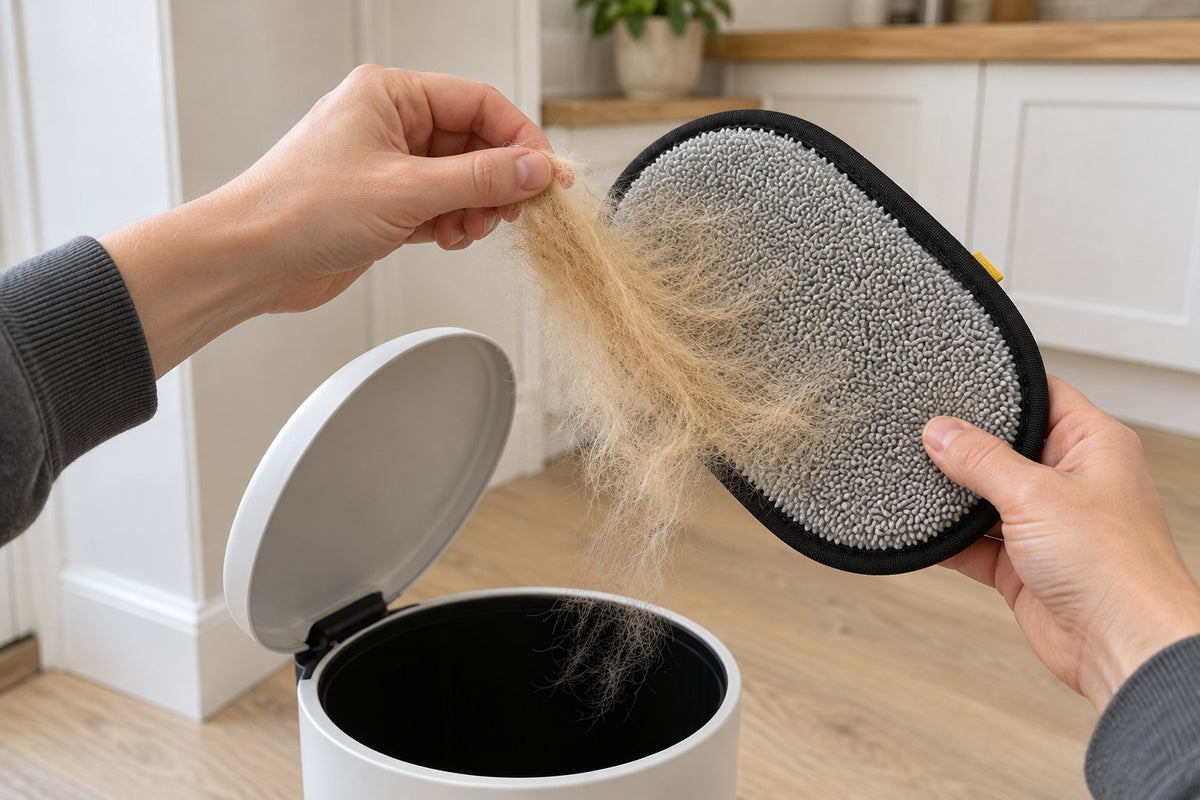
A grooming glove is worn like a mitt, with a textured surface on the palm. You stroke your pet as normal — it feels like petting, not grooming, which is exactly the point. It's gentler and slower than a brush, and it can't reach as deep into a dense coat, but it's the realistic option for a pet that won't tolerate being brushed at all.
Best for: nervous, senior or sensitive pets, rescue animals with no grooming history, or anyone starting from zero with a pet that's never been brushed.
When is a deshedding brush the better choice?
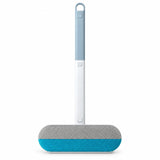
A brush — like the Mist Comb, a spray brush with rounded bristle tips — gets through the coat and works out tangles, which makes it faster and more thorough than a glove on pets that tolerate grooming. It's the better everyday tool once your pet is used to being brushed, especially for longer coats that tangle.
Best for: everyday grooming on pets already comfortable with it, longer coats, and the spring and autumn coat blow.
Should you start with a glove or a brush?
If your pet has never been groomed before, start with the glove — you're building tolerance for the process, not maximising fur removal on day one. Once they're comfortable, move to a brush for routine grooming and keep the glove for the days your pet is too wriggly for anything else. Plenty of households end up using both.
What about the fur that's already on the sofa?
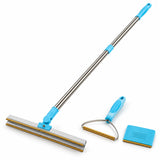
Neither tool cleans the furniture. The Fur-Free Home Kit pairs the Cuddle Glove with the All-Surface Tool for carpet and the sofa, and the Fur Wiper for beds and clothes.
For the full picture on why pets shed as much as they do, see our guide to shedding biology. Every Meoggy order comes with 30 days to try it: if it doesn't work for your home, we refund you in full. No need to send it back.
Grooming glove or deshedding brush
| Grooming glove | Deshedding brush | |
|---|---|---|
| Best coat | Short and medium | Thick and double |
| Reaches the undercoat | Barely | Yes |
| Pets who hate brushing | Feels like stroking | Can feel like a tool |
| Hair removed per session | Moderate | A lot |
| Also useful on | The sofa and your clothes | The pet only |
Questions people ask
Do grooming gloves work on long-haired cats?
They lift loose surface hair, but they can't reach a thick undercoat or work out tangles. Long-haired cats usually need a comb or brush as well.
Are deshedding brushes bad for dogs?
Used gently, no. Pressing hard or brushing the same spot too long can irritate the skin, and bladed tools don't suit every coat, so follow the maker's guidance.
Which is easier to clean, a glove or a brush?
A rubber glove can be peeled clean and rinsed under the tap. Brushes with fine teeth often need the hair pulled out by hand or with a comb.
Can I use a grooming glove on the sofa too?
Yes. A slightly damp rubber glove lifts hair from fabric sofas and car seats, though a rubber rake is faster on large areas.


